
August 2026
How to Decorate an Old Home
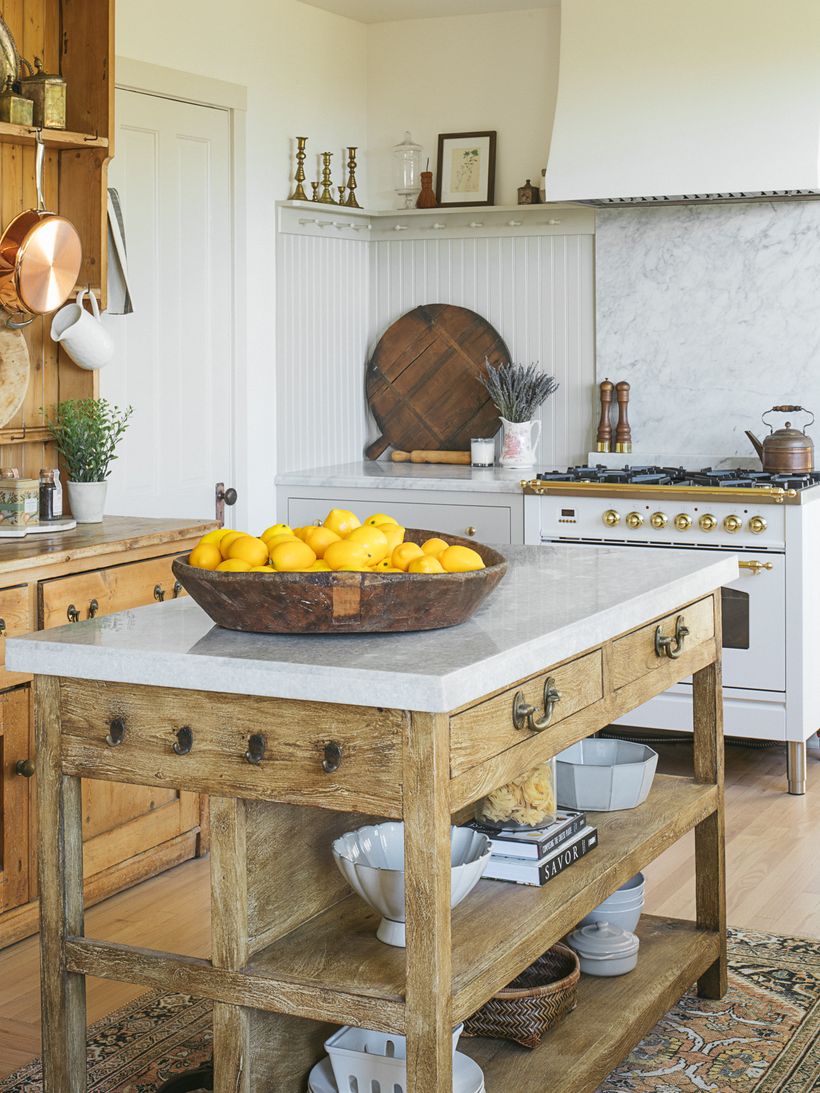
Old is the new luxury — but only if you resist the urge to argue with the house.
Most of our work is in homes that already have opinions. A 1906 Craftsman, a 1930s French Countryside cottage, an Arts and Crafts bungalow that's been through four owners and three bad renovations. The temptation with all of them is to impose a look. The better instinct is to figure out what the house was already trying to do.
Treat your home's age as an asset, not a flaw
That reframe is where everything starts. Preserve original elements — wood floors, plaster, millwork, hardware — wherever it's possible to do so. When you're adding new pieces, stick to natural materials that age well, and let old and new coexist rather than forcing one to imitate the other.
A house that's been standing for a century has already proven what lasts in it. That's information, not an obstacle.
Focus on depth rather than trends
Mix vintage or antique pieces with newer items, and prioritize craftsmanship and natural materials wherever the budget allows. A few genuinely collected elements give a room instant character — far more than a coordinated set ever will.
Get the scale right first
Make sure you choose furniture with an appropriate scale. This sounds basic and it's the thing we correct most often. Older homes were built to different proportions — narrower rooms, lower or dramatically higher ceilings, windows placed for light rather than for symmetry with a sofa. Contemporary furniture is generally built larger than what these rooms were designed to hold.
Work with the architecture, not against it
When renovating older homes, try to work with the architecture rather than against it. New details like moldings, doors, and hardware should align with the original style of the home. This is where a renovation either reads as seamless or reads as a renovation.
Don't decorate in a single period
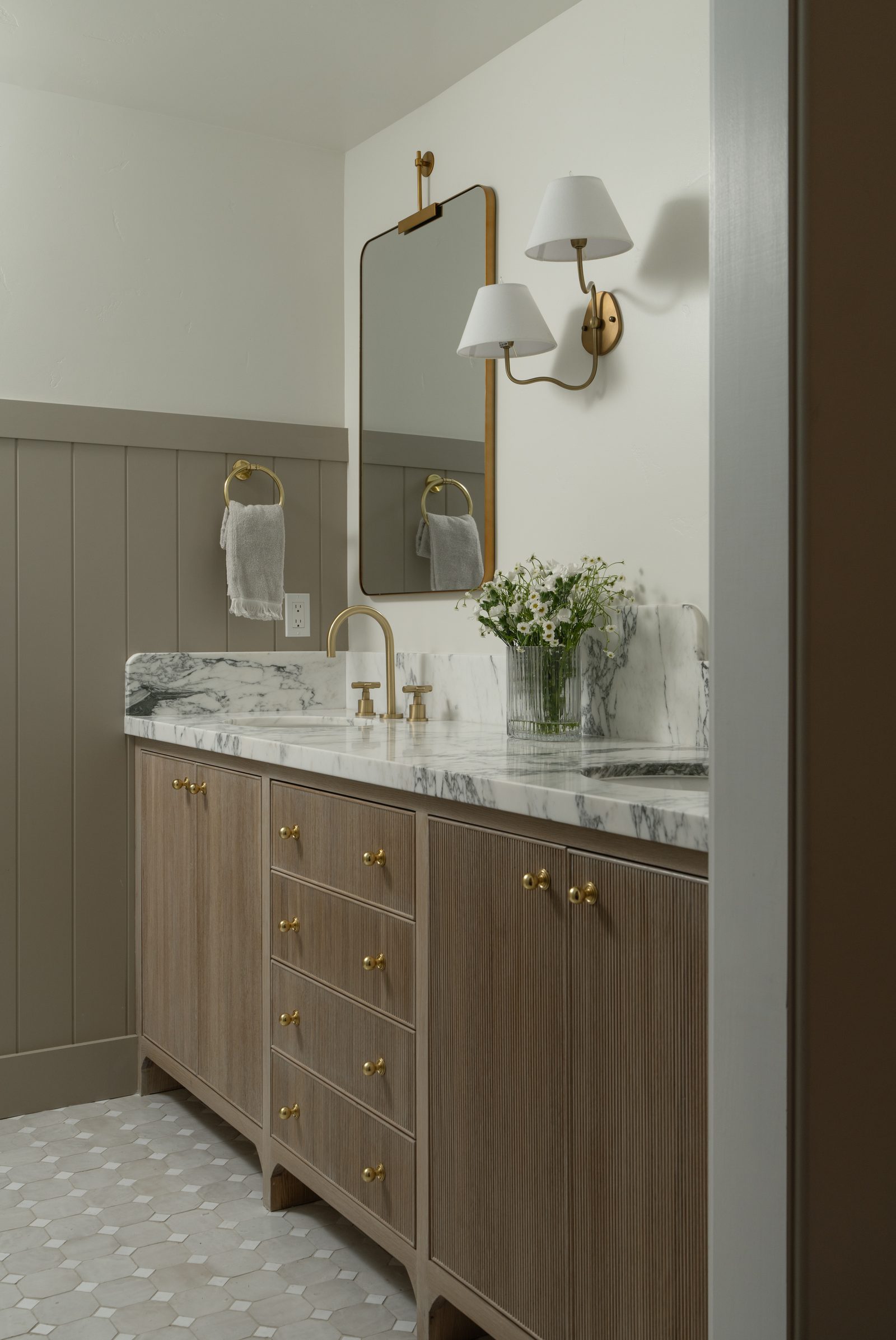
The most interesting interiors rarely come from a single period. Pair antique pieces with contemporary furniture or modern art. That contrast keeps spaces from feeling staged or overly thematic — which is the failure mode of a well-intentioned period restoration.
A room furnished entirely in one era stops being a home and becomes an exhibit.
Contrast clean architecture with warmth
We love to contrast clean architecture with warmth. Try introducing antique wood, vintage lighting, or aged metals. Even minimal spaces feel richer when they include a few pieces with history.
This works in the other direction too. A heavily detailed historic room — hand-carved moulding, original built-ins — often needs modern pieces to counter it, or the whole space starts to feel heavy.
The rule underneath all the other rules
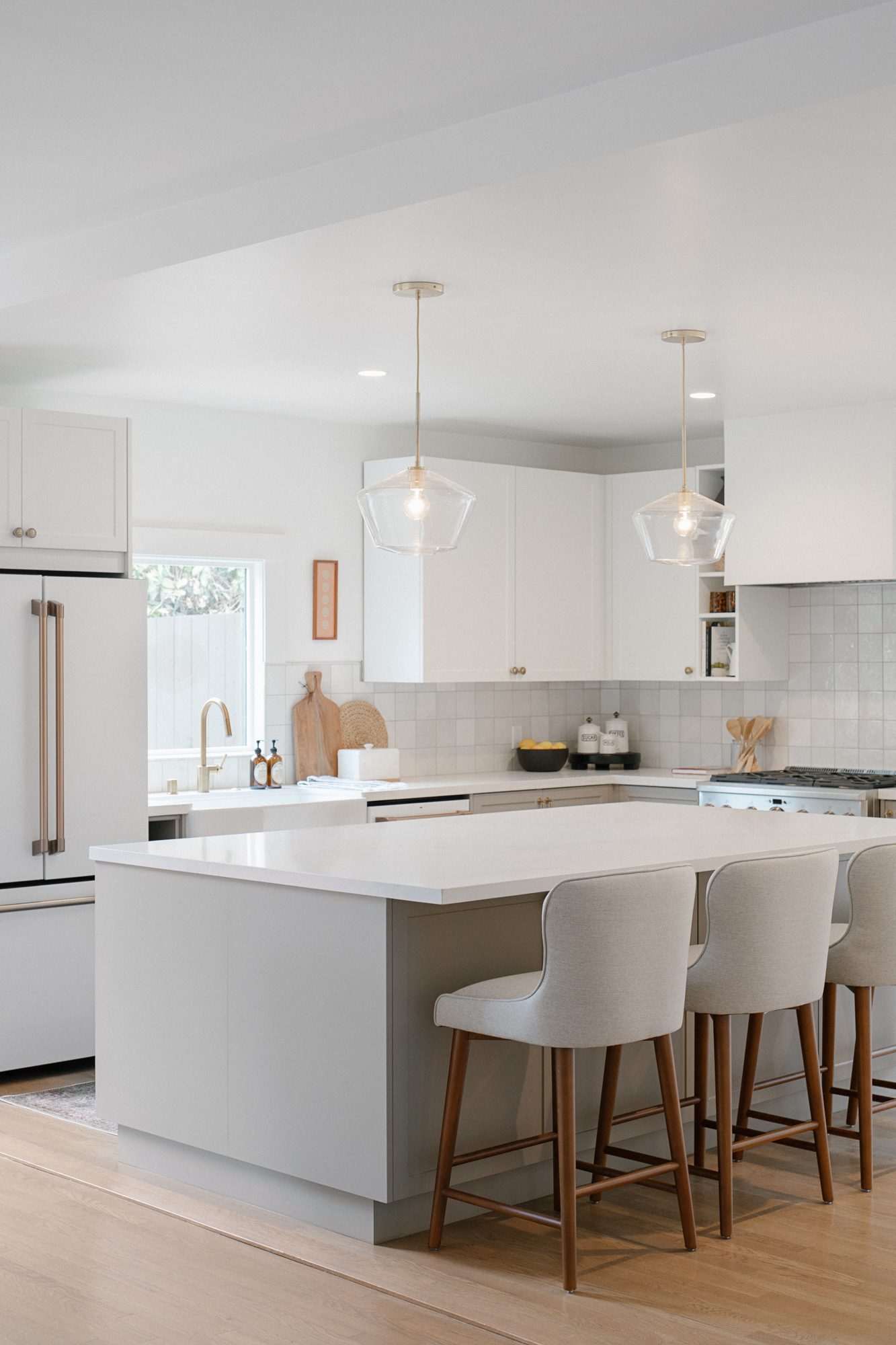
Always choose pieces that genuinely bring you joy rather than decorating solely to follow a trend.
Old homes outlast trends by definition. Anything you put in one on the strength of a trend will date faster than the house did.
More on how we approach this in Breathing Life Into History, or see the work at The Fleur House and The Craft House Inn.
XO - The HHI Team
Includes commentary Hearth Homes Interiors provided to Sunset, April 2026.