
August 2026
Five Things Every Guest Room Needs
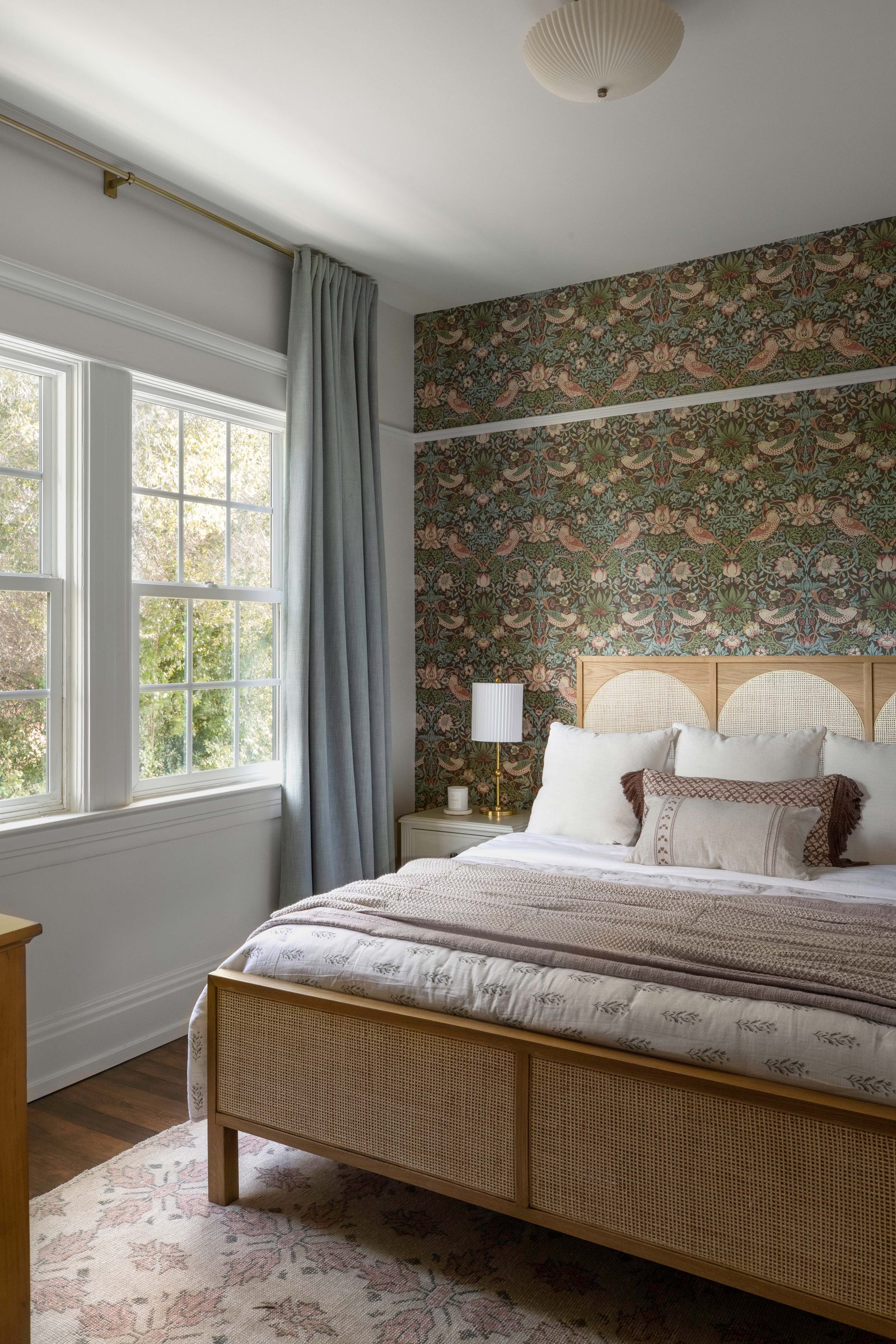
Most guest rooms fail in the same quiet way. The bed is fine. The room is clean. And yet the person staying in it spends three nights living out of a suitcase on the floor, charging a phone across the room, and getting up at 6am because the curtains don't actually block anything.
We think about this more than most design studios do, because we don't only design guest rooms — we operate them. Our studio's hospitality work means real guests test these decisions every single night and tell us, plainly, when we've gotten something wrong.
Our secret to a five-star experience isn't just grand gestures — it's weaving together design, hospitality, and personalization so seamlessly that guests feel both indulged and at home.
If we had to narrow it down, every guest room should include five essentials.
1. Comfortable, layered bedding
Layered is the operative word. A flat sheet, a lightweight blanket, and a duvet let a guest build the exact weight they want without asking you for anything. People run hot and cold, and the ones who run cold will almost never say so.
Two more things about bedding specifically, learned from running rooms rather than styling them: keep the layers washable and keep them replaceable. A duvet cover you can strip and launder beats a beautiful coverlet that has to be spot-cleaned, and bedding you can reorder in two years means one damaged piece doesn't retire the whole set.
2. Window treatments
Not decorative panels — treatments that actually work. A guest sleeping in an unfamiliar room at an unfamiliar hour needs to be able to make it dark. This is the single most common thing we're asked to fix after a room goes into service.
The detail that gets missed is the gap. Panels that stop at the window casing leak light down both sides regardless of how heavy the fabric is. Mounting the rod wide and high — well past the frame, closer to the ceiling than the window — closes the gap and makes the window look larger at the same time.
In a historic house where you don't want to lose the window detail, a layered approach works better than a blackout panel: a light-filtering shade mounted inside the frame for the architecture, and drapery outside it for the dark.
3. A dedicated place to set a suitcase
A bench, a luggage rack, a low dresser with clear surface, an empty chair. Anything. Without it, the suitcase lives open on the floor for the entire stay, and the room never stops feeling temporary.
Height is the part people get wrong. A surface at roughly bed height lets someone unpack standing up; a low ottoman means kneeling on the floor, which is the thing you were trying to avoid. And it needs to stay clear — a bench doing double duty as decorative storage isn't a luggage surface, it's a shelf.
Pair it with somewhere to actually put clothes. A guest staying more than two nights will unpack if there's a drawer or six hangers available, and a guest who unpacks feels settled in a way no amount of styling produces.
4. Bedside lighting with convenient charging access
A lamp a guest can reach without getting up, and an outlet they can reach without moving furniture. Modern needs, handled quietly.
The test is whether someone can turn the light off after they're already in bed. If the switch is on the wall by the door, they can't, and they'll sleep with a light on or navigate a dark unfamiliar room. A switch on the lamp base or cord solves it for the cost of nothing.
Do it on both sides where the bed is shared. One reading lamp for two people means one person's bedtime governs the other's.
Thoughtful tech, like universal chargers, brings modern ease without detracting from character.
That last part matters in the historic homes we work on most. The charging solution shouldn't be the first thing you notice in a 1906 bedroom.
5. A small welcome amenity
A carafe of water on the nightstand does an outsized amount of work. It's a signal that someone thought about this person arriving, specifically, and it saves them wandering an unfamiliar house at midnight.
And then: prioritize calm
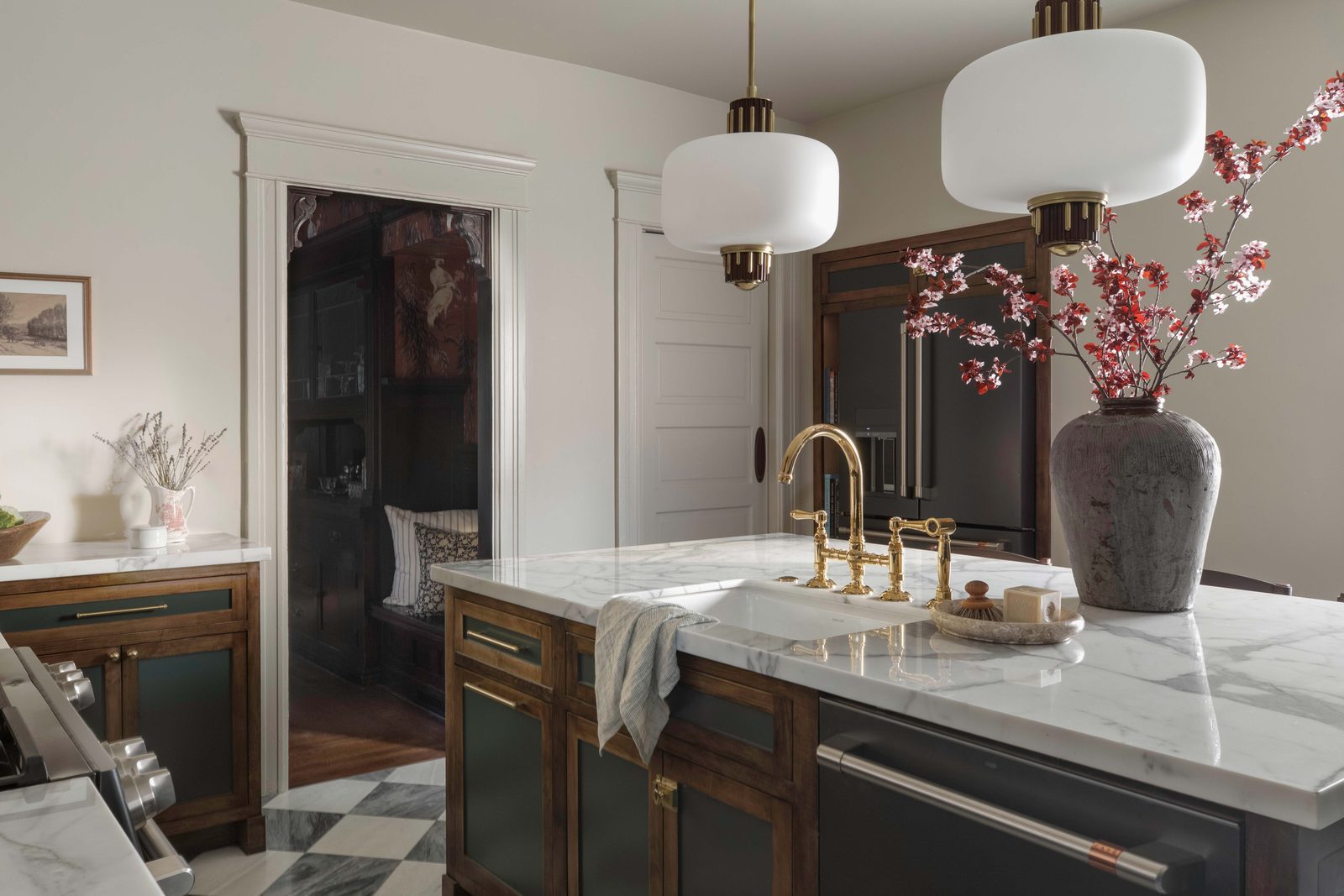
Beyond the five, the thing we keep coming back to is atmosphere. Small stacks of collected books, fresh flowers from the farmers market, a restrained palette, soft textures, natural light. None of it is clutter, and all of it helps a guest actually settle.
A guest room's job is to let someone exhale. Everything else is in service of that.
Why this list is short
These thoughtful details don't require a large budget. That's the point. None of the five is expensive, and none of them is the kind of thing that photographs well — which is exactly why guest rooms so often skip them in favor of something decorative.
Get all five right and a guest feels comfortable, cared for, and at home. Miss two, and no amount of styling covers it.
You can see how we apply this in practice at The Craft House Inn, and across our hospitality work.
XO - The HHI Team
Includes commentary Hearth Homes Interiors provided to Good Housekeeping and Forbes.